What changes the scope of an AI brand film?
Runtime is only one line in the brief. The real scope sits in the decisions: how many shots must work, what needs to stay consistent, where the film will live, and how much repair and finishing each frame requires.
Count decisions, not seconds.
A short film can be demanding when every shot introduces a new location, character, product angle or technical repair. A longer film can be comparatively controlled when it stays inside one established world.
Scope becomes clearer when the shot list names what each frame must prove and what continuity it inherits from the frame before it.
One runtime.
Three different jobs.

Five questions that change the estimate.
These are not automatic price multipliers. They are the production questions that reveal where the work actually lives.
How many distinct shots?
Each new composition adds selection, continuity review, repair, finishing and edit decisions.
What must stay recognizable?
A recurring person, product, character or location needs fixed references and repeated checks.
How many formats?
Portrait and landscape are not a crop request when the composition, action and text need different framing.
What source material exists?
A strong product model or reference set is a different starting point from one compressed phone-video frame.
How finished is finished?
Face repair, compositing, color, sound, graphics, typography and delivery versions all belong in the scope.
The same story has to survive a different frame.
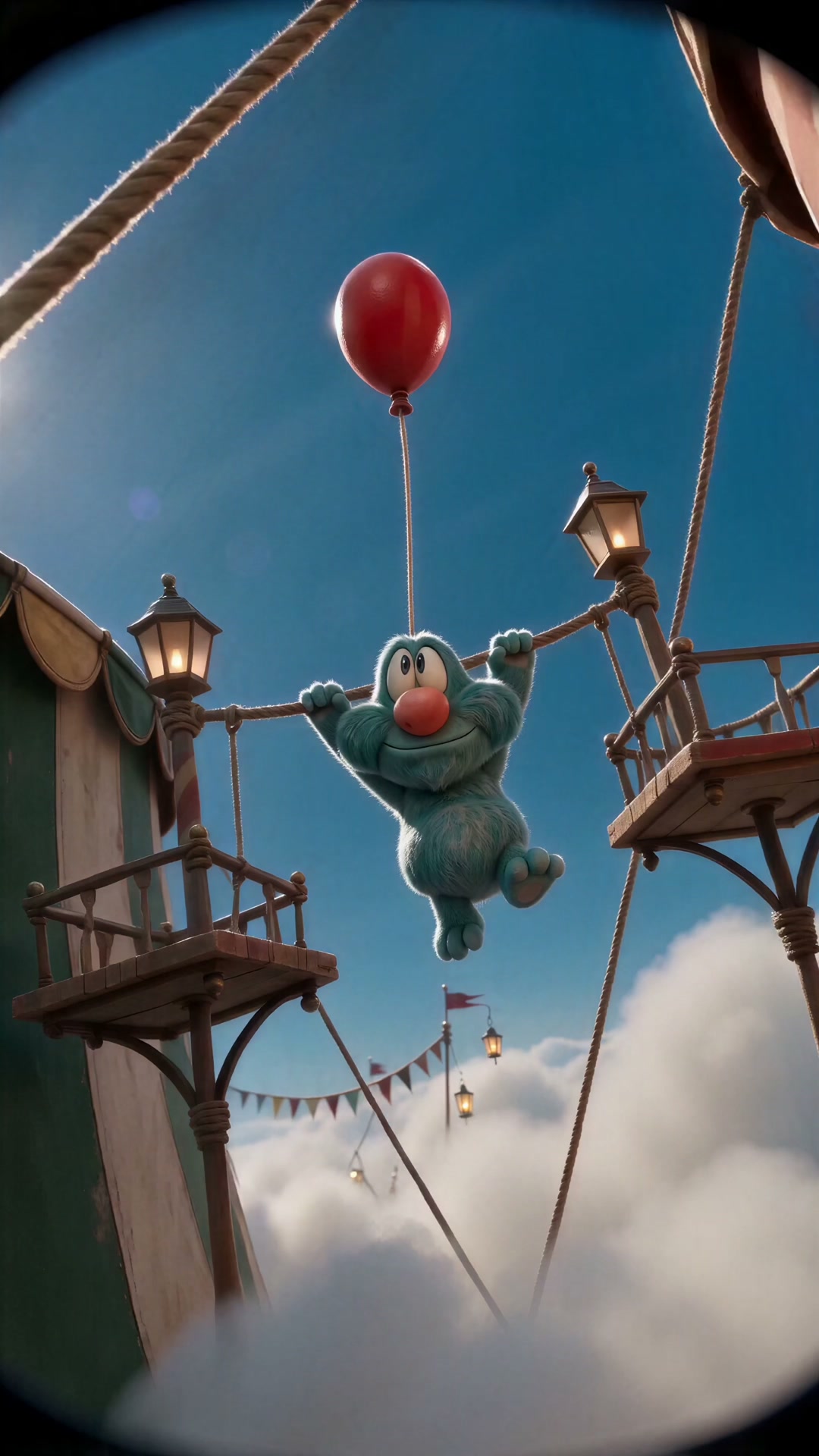
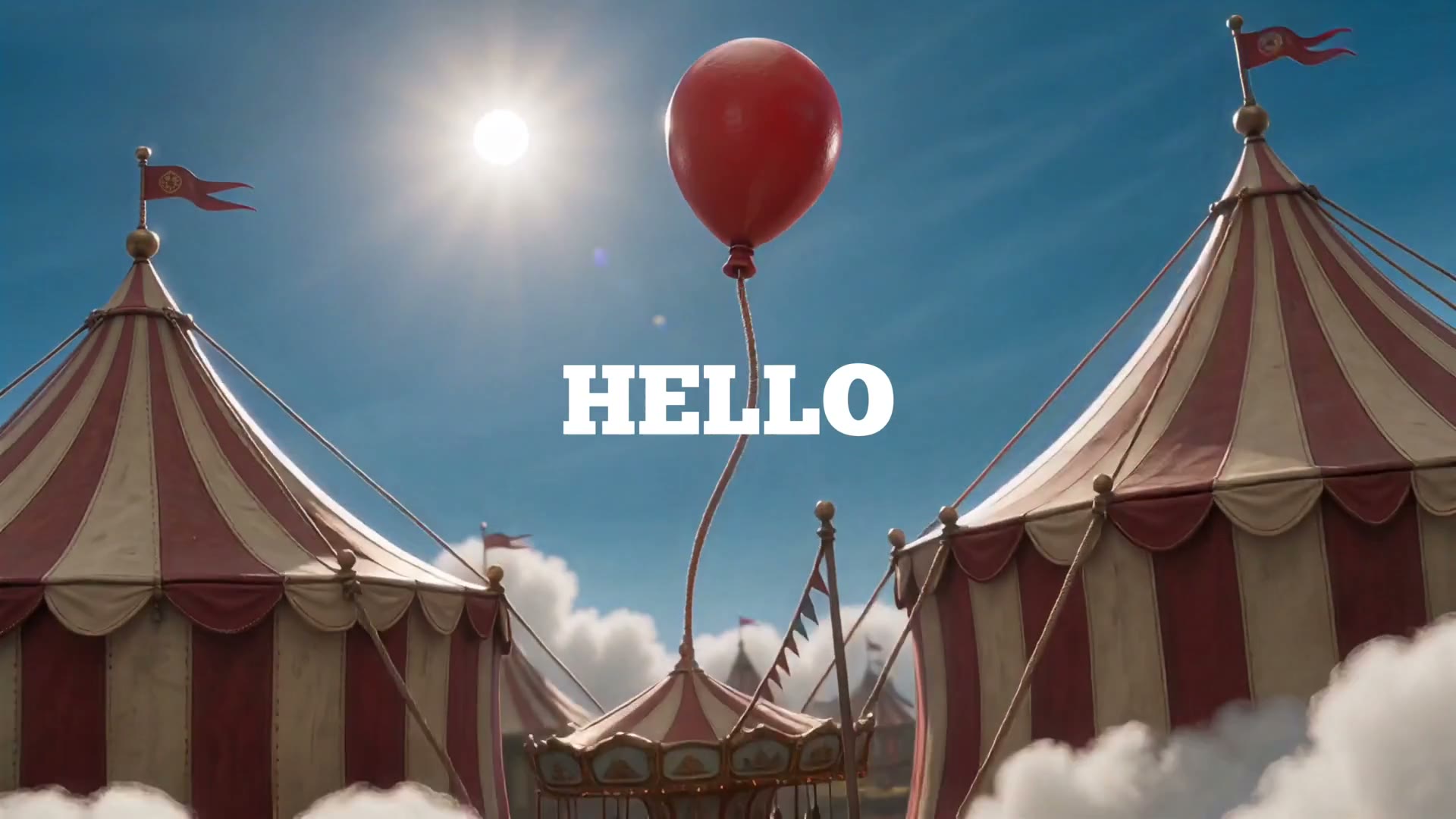
The Carnival That Never Lands has a portrait film for phone feeds and a separate landscape welcome cut for the website. Both run about thirty-three seconds. The wider version gives the carnival room to fill a player; the portrait version keeps the flight legible in a vertical frame.
Decide while change is still cheap.
A useful process puts decisions before production expands. The point is not to remove discovery. It is to stop an unresolved idea from multiplying across a full sequence.
Direction
Agree on the audience, feeling, story job and reference boundaries.
Anchors
Lock the person, product, character, location and other fixed visual facts.
Diagnostic shot
Test one difficult frame before building the complete sequence.
Sequence + finish
Expand shot by shot, then edit, repair, grade, mix and package.
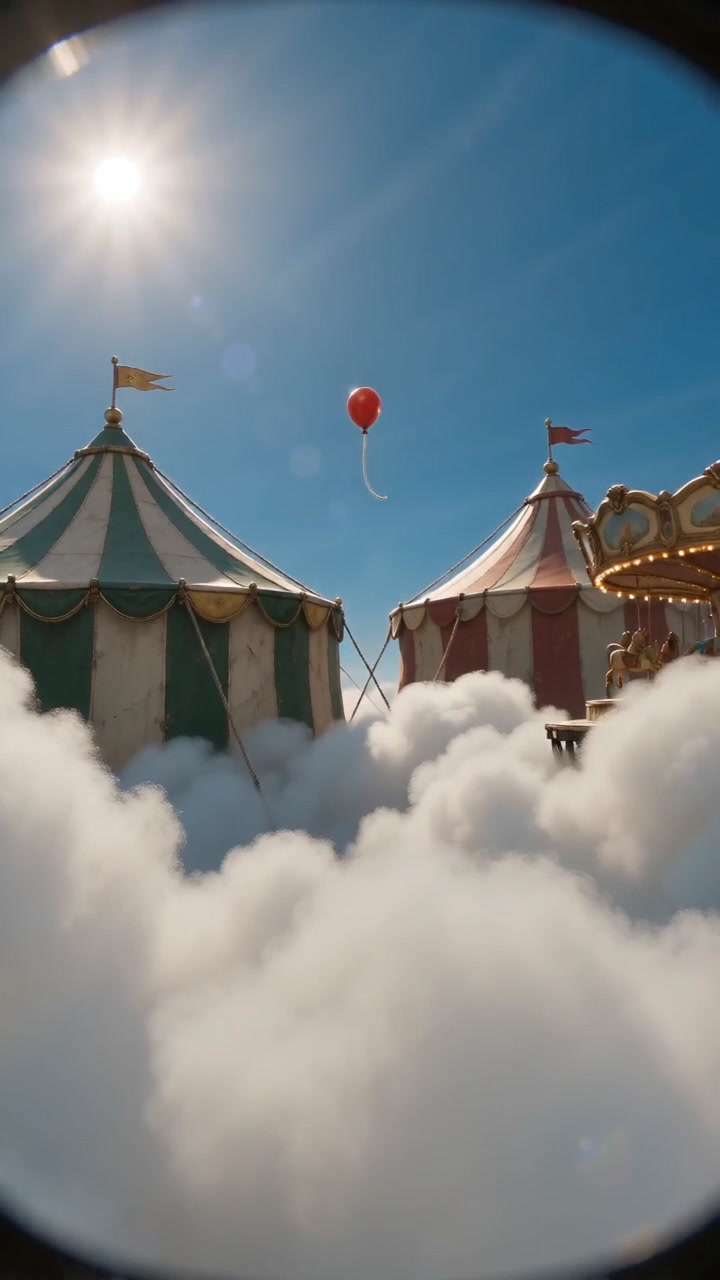
One selected frame can carry the next section.
The apparent continuous Carnival flight was assembled from two fifteen-second generations. The final frame of the first section became the visual reference for the second, carrying the balloon, tents, light and palette forward.
- Lock the visible objects that must continue.
- Compare the new output with the reference and adjacent accepted frames.
- Repair the baseline when anatomy, contact or geography is wrong. Do not repeat an error for consistency.
The starting material changes the route.
Fiore D'Amore began from one low-resolution frame pulled from a phone video. The public case shows the finished film, not the private source. Rebuilding a usable likeness and repairing it across the sequence became a central part of the work.
A scope should name what the client can supply, what can be shown publicly, and which details cannot drift.
Read the Fiore D'Amore case studyTell us what the film has to do.
Bring the goal, source material, placements and target timing. We will define the shot plan and written scope before production begins.
Start a project