From one reference image to a campaign.
A source image is not a prompt to copy. It is evidence. The useful work begins when you decide what must remain true, what can change, and how the direction should expand across a complete set.
Separate identity from circumstance.
A useful reference tells you more than what the person is wearing. It carries face shape, proportions, posture, expression, hair, styling cues, camera height, light and the visual expectations already attached to the brand.
Some details are identity anchors. Others belong only to the original photograph. The first production decision is knowing which is which.
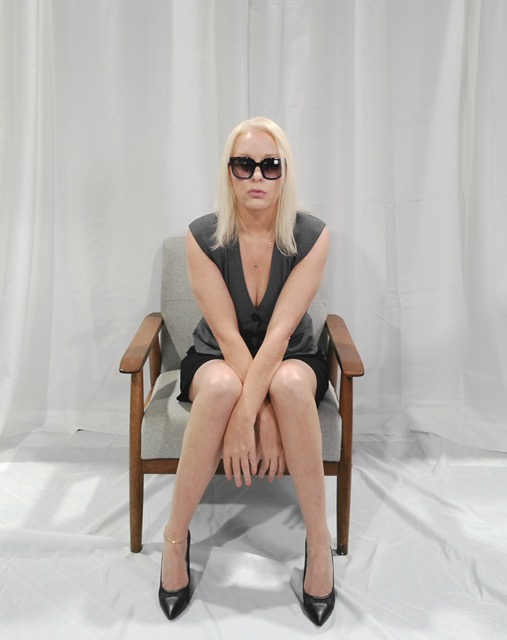
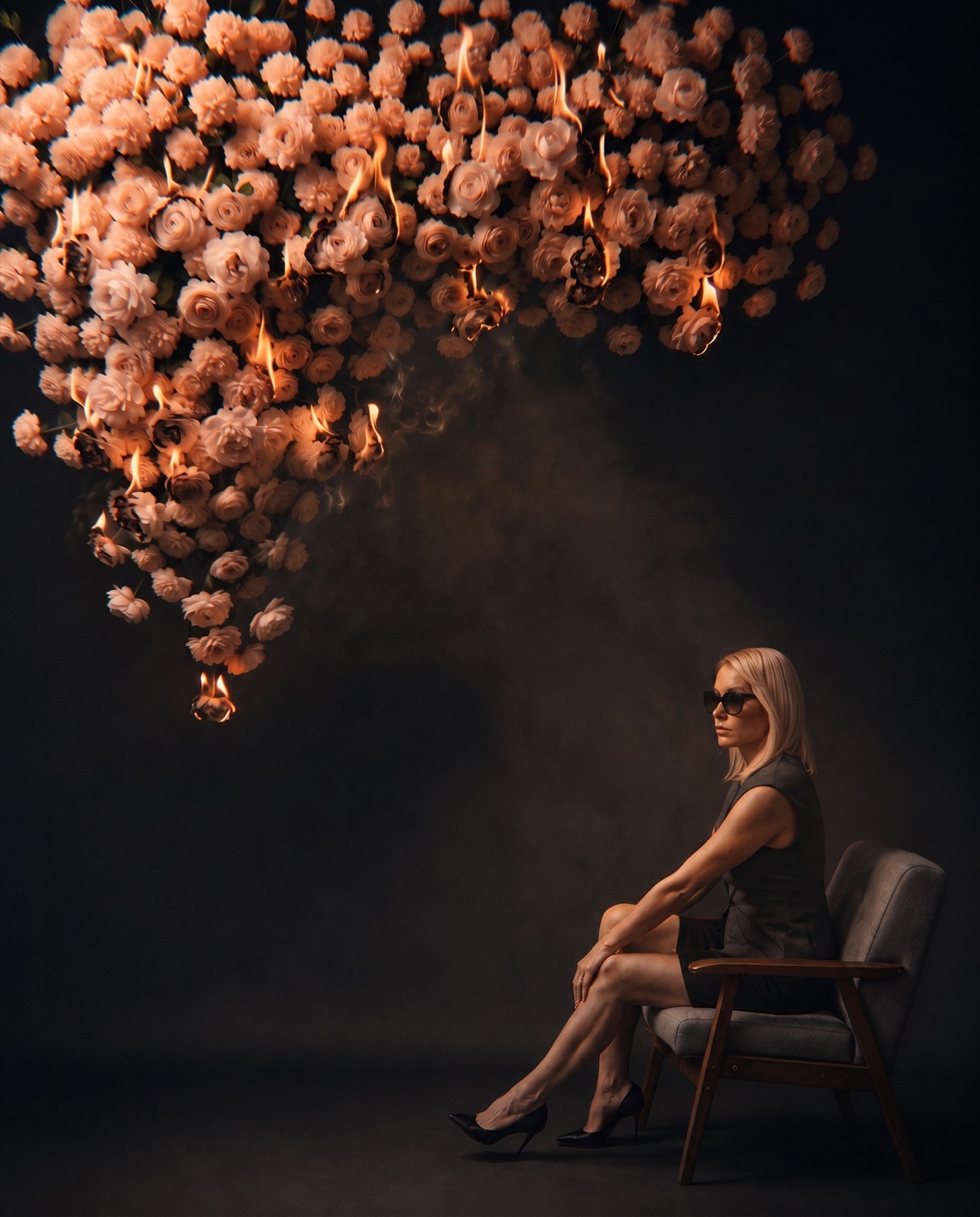
Lock the facts that cannot drift.
Before making variations, write down the visual facts that define the subject. Review the outputs against that list and the approved source, not against memory.
Face, hair and body
Check facial structure, age, skin tone, hairline, silhouette and the features the person recognizes as their own.
Shape, hardware and artwork
Keep proportions, handles, wheels, labels, closures and approved graphic placement consistent.
Color, typography and attitude
Use the actual visual system. Do not let a reference image replace the brand direction.
What may be shown
Confirm the source, consent and public-use boundary. A private reference can guide production without appearing in a case study.
Change one layer at a time.
A coherent set does not require every image to look the same. It requires each variation to obey the same identity and art direction while changing the job of the image.
Anchor
Choose the approved source and write the fixed identity or product details.
Direction
Define palette, light, lens feeling, environment, styling and the emotional promise.
Variation
Change pose, crop, context or format with a clear campaign job for each frame.
Review
Compare the complete set. Repair drift, repetition, anatomy, object errors and incorrect graphic placement.
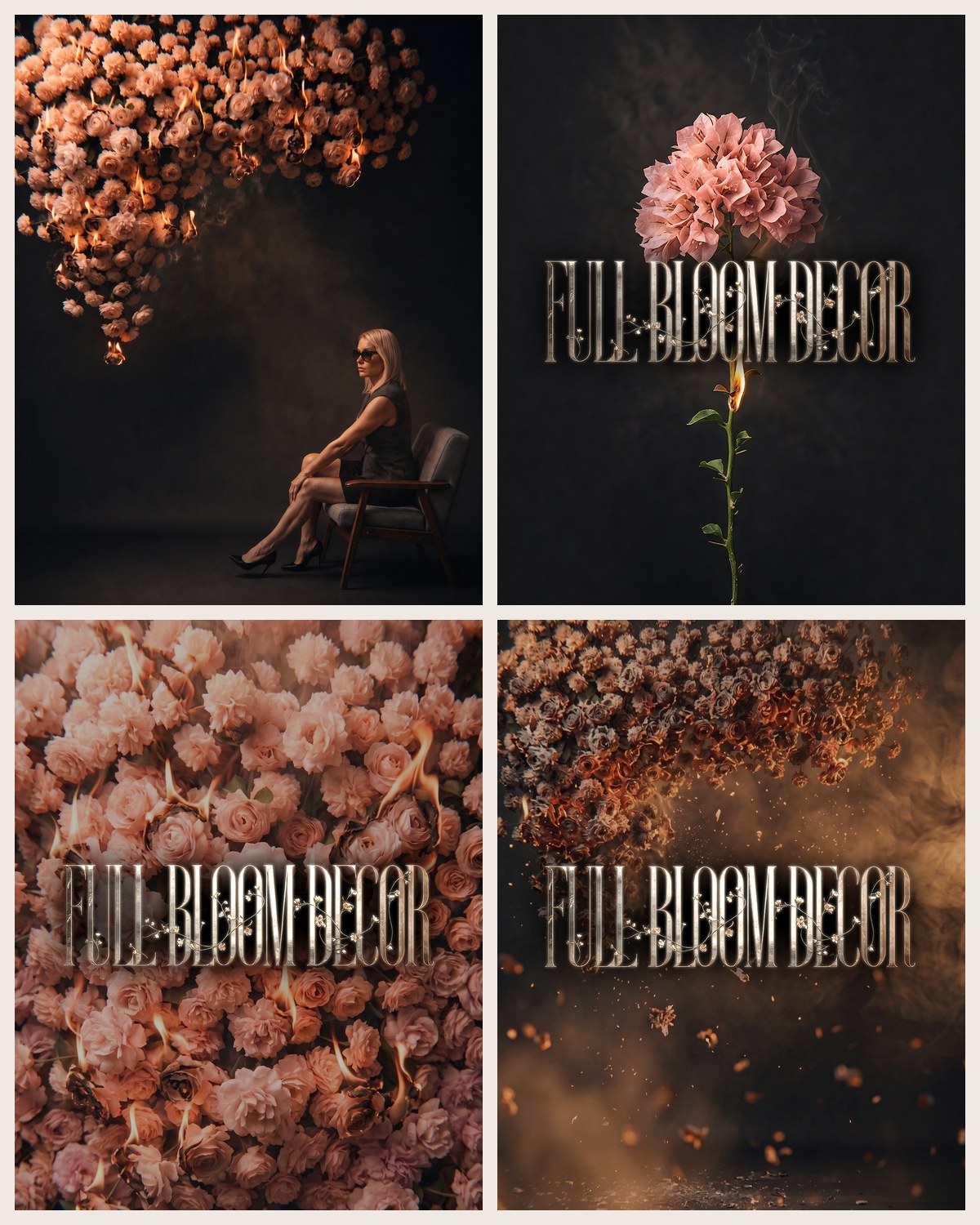
A campaign is a set of jobs.
A portrait might introduce the person. A product close-up can carry paid social. A wide composition can hold web typography. A motion sequence can turn the same direction into a release film.
One Becomes Five is a 33.5-second HNRX Studio campaign built around that idea: one starting image can open into multiple directed outputs when the visual system is established first.
See One Becomes Five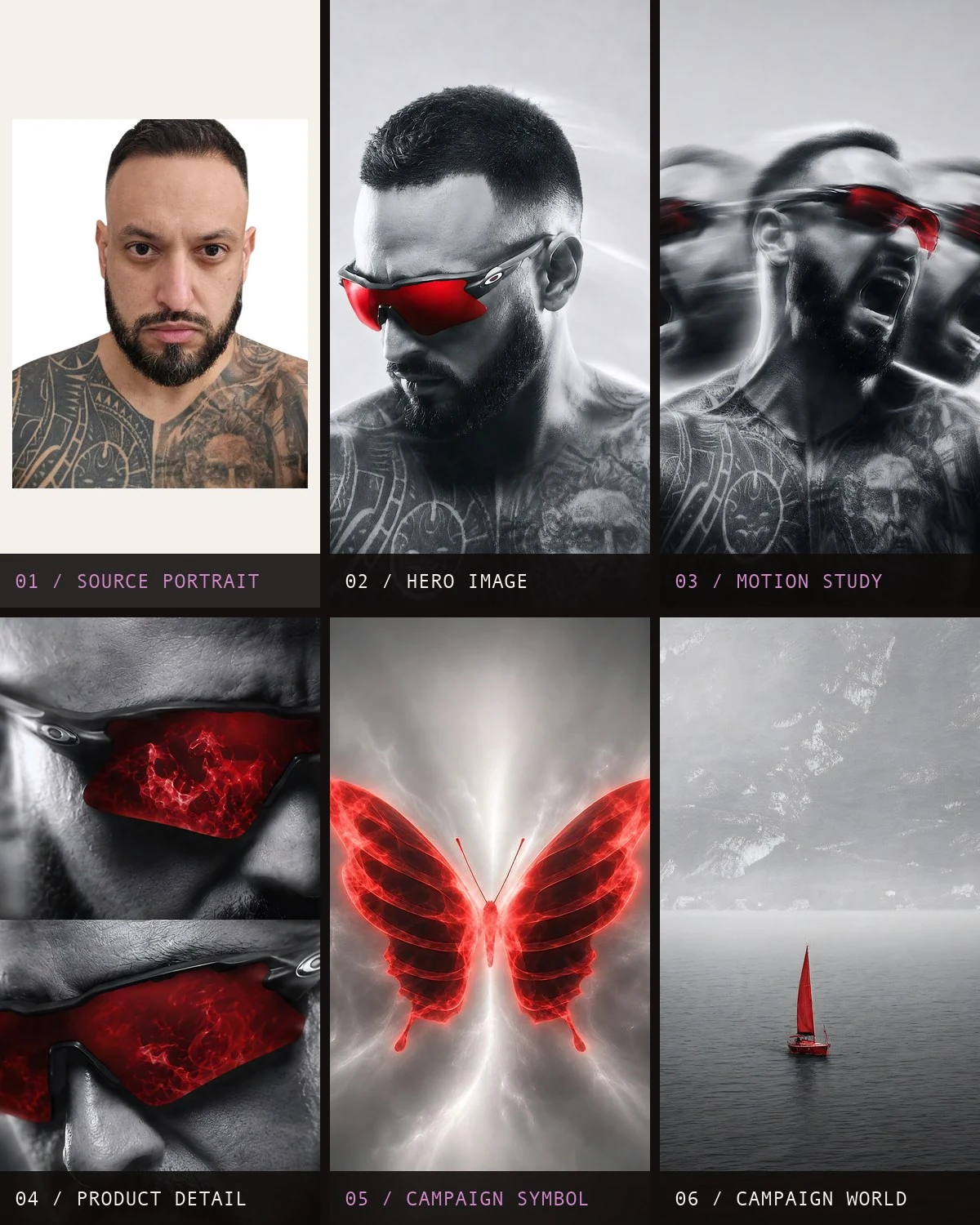
Not every reference belongs on the page.
Fiore D'Amore began from one low-resolution frame taken from a phone video. That private source helped reconstruct the client's likeness, but it is not displayed here or in the public case. The finished film and approved poster can be shown.
Public proof should explain the production problem without turning a private client asset into marketing material.
Read the Fiore D'Amore case study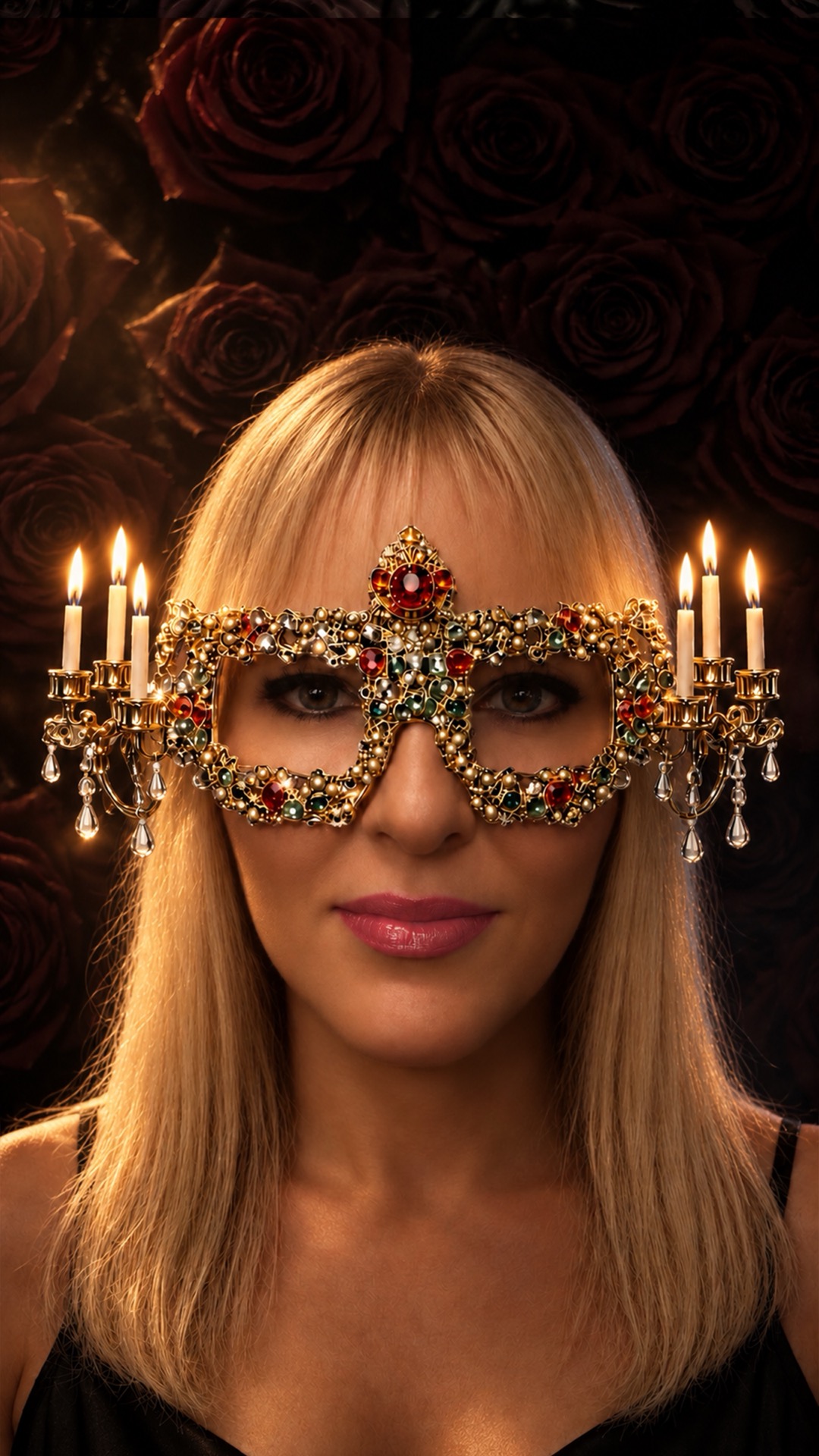
Use the reference. Respect the boundary.
- Record where the source came from and what use was approved.
- Keep private inputs out of public pages, public fact layers and analytics.
- Show the finished work only when the client relationship and publication permission are clear.
A source is the beginning of the brief.
The next question is what the campaign needs to do: introduce a person, sell a product, establish a visual language, or become a film. That answer determines the useful variations.
We can build from a real starting point.
Share the source material you can legally use, the details that must stay true, and the places the campaign needs to live.
Start a project